The Ultimate Guide to Video Surveillance Systems for Business
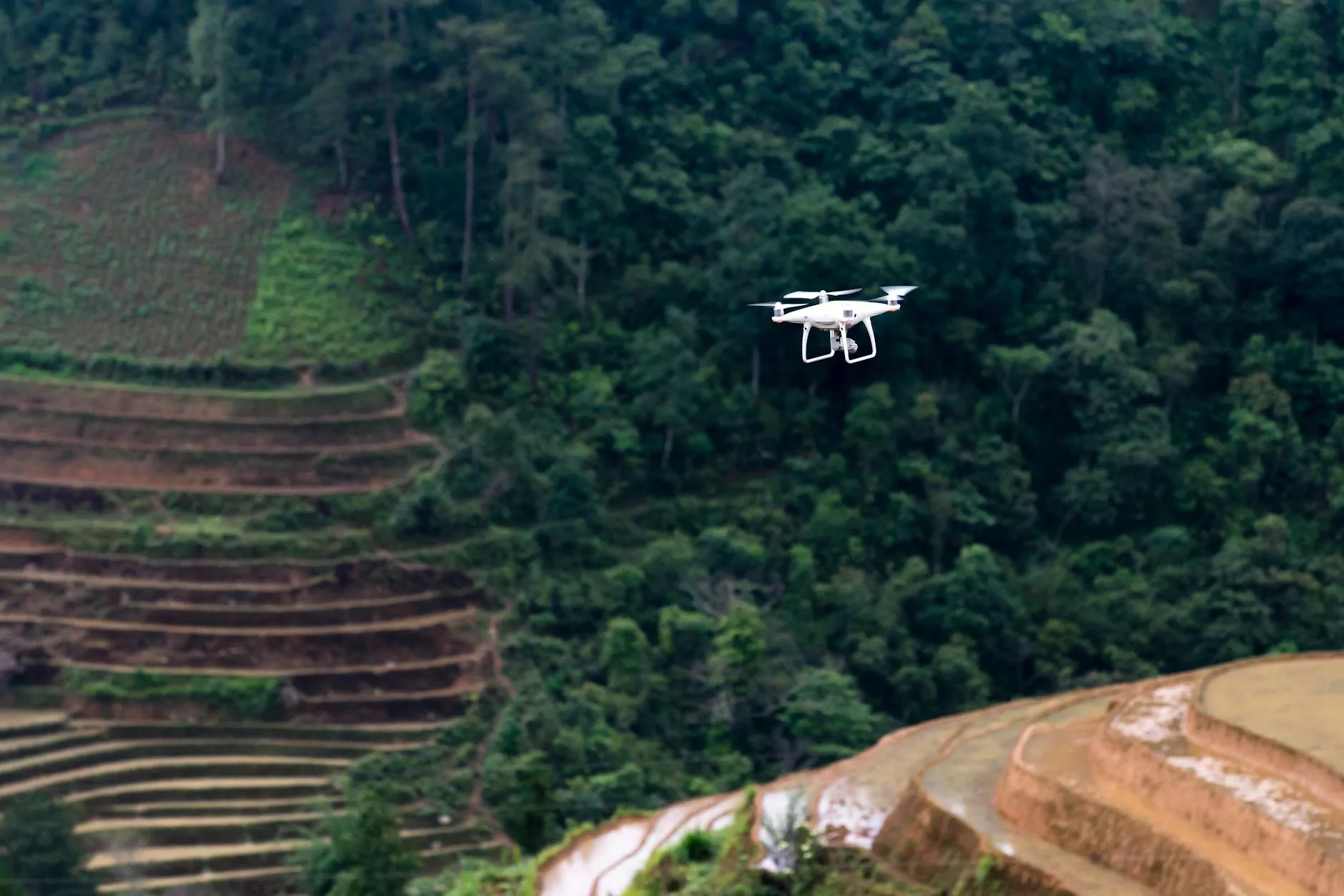
In today's fast-paced and ever-evolving world, businesses face numerous challenges when it comes to ensuring security and safety. One of the best ways to mitigate risks and enhance safety protocols is through the implementation of video surveillance systems for business. This comprehensive guide will explore everything you need to know about video surveillance systems, including their benefits, types, and installation processes.
Understanding Video Surveillance Systems
Video surveillance systems are complex setups that involve various cameras, recording devices, and software designed to monitor and document activities in and around a business premises. These systems play a pivotal role in enhancing security, preventing theft, and improving the overall safety of employees and customers.
Why Video Surveillance Is Essential for Businesses
Investing in a robust video surveillance system offers several undeniable benefits, including:
- Theft Prevention: A visible surveillance system serves as a strong deterrent against potential thieves and vandals.
- Increased Accountability: Cameras help in monitoring employee performance and adherence to company policies.
- Risk Management: By recording incidents, businesses can protect themselves against false claims or disputes.
- Remote Monitoring: Modern systems allow business owners to monitor their premises from anywhere in the world via smartphones or computers.
- Enhanced Safety: Video surveillance can assist in monitoring customer and employee safety, especially in high-risk areas.
Types of Video Surveillance Systems
There are several types of video surveillance systems for business. Here are the most common:
1. IP Camera Systems
Internet Protocol (IP) camera systems transmit video footage over the internet, offering higher resolution and flexibility. These systems can be accessed remotely, making them an ideal choice for businesses looking for modern solutions.
2. Analog Camera Systems
Traditional analog camera systems are often less expensive and simpler to set up than IP-based systems. They connect directly to a Digital Video Recorder (DVR) to store footage, making them suitable for smaller businesses.
3. High-Definition (HD) Camera Systems
HD camera systems provide superior image quality and can capture more detail than standard cameras. They are particularly useful in environments where clear visuals are crucial, such as retail stores and airports.
4. Wireless Surveillance Systems
Wireless surveillance systems eliminate the need for extensive cabling, making installation simpler and more flexible. These are great for businesses that require quick setup and the ability to move cameras without hassle.
Key Features to Look for in Video Surveillance Systems
When selecting a video surveillance system for your business, consider the following features:
- Resolution: Opt for cameras with high resolution for clearer images and better detail.
- Night Vision: Ensures effective monitoring during low-light conditions.
- Motion Detection: Alerts you to movement in sensitive areas, allowing for real-time monitoring.
- Cloud Storage: Consider systems that offer cloud storage for easy access and security of recorded footage.
- Warranty and Support: Always check for warranty coverage and available customer support.
Implementing a Video Surveillance System
Implementing a video surveillance system requires careful planning and execution. Here are steps to effectively install a surveillance system:
1. Assess Your Needs
Begin by assessing your business's specific security needs. Consider factors such as:
- Size of the premises
- Number of entrances and exits
- High-risk areas
- The type of monitoring required (24/7, after hours, etc.)
2. Choose the Right Equipment
Based on your assessment, select the most suitable type of surveillance system and cameras. Evaluate the features mentioned earlier to make an informed decision.
3. Installation and Placement
Proper installation and placement of cameras are crucial to maximizing effectiveness. Key considerations include:
- Position cameras to cover entry and exit points.
- Ensure visibility without obstructing normal business operations.
- Avoid blind spots by strategically positioning cameras in high-traffic areas.
- Consider weatherproof options for outdoor cameras.
4. Test and Maintain the System
Once installed, thoroughly test the system to ensure it functions as intended. Regular maintenance checks should be conducted to keep the equipment in optimal working condition and ensure that software is updated.
Legal Considerations for Video Surveillance
Before implementing a video surveillance system, it is essential to be aware of the legal implications. Here are some considerations:
- Privacy Laws: Familiarize yourself with local and state privacy laws concerning video surveillance in public places.
- Employee Notification: Some jurisdictions require business owners to notify employees about surveillance monitoring.
- Video Storage Policies: Establish clear policies on how long video footage will be stored and who has access to it.
Benefits of Video Surveillance Systems
Video surveillance systems offer more than just security. The benefits extend into various aspects of business operations:
1. Increased Safety and Security
With a surveillance system in place, employees and customers feel safer, reducing the likelihood of incidents such as theft or violence.
2. Enhanced Employee Productivity
Knowing they are being monitored can encourage employees to maintain productivity levels and adhere to company policies.
3. Improved Customer Service
Surveillance cameras can help monitor customer interactions, providing insights to enhance service quality and customer satisfaction.
4. Evidence in Legal Matters
In the event of disputes or incidents, having recorded evidence can protect businesses from liability and assist in resolving issues.
Choosing the Right Provider: Why Teleco.com Stands Out
When selecting a provider for video surveillance systems for business, choosing a reputable and trusted company is paramount. Teleco.com specializes in telecommunications and IT services that incorporate high-quality surveillance solutions tailored to meet your unique business needs. Some reasons to choose Teleco include:
- Comprehensive Services: Not only do they provide video surveillance, but they also offer telecommunications and IT services, creating an integrated security solution.
- Expert Consultation: Teleco’s team of experts will consult with you to design a customized surveillance system that fits your requirements.
- Quality Equipment: Utilizing the latest, high-definition cameras and surveillance technology ensures the best security measures.
- Reliable Support: Teleco.com offers ongoing support and maintenance, ensuring your systems are always up and running.
- Client-Centric Approach: Their focus on customer satisfaction guarantees that your needs will be met promptly and efficiently.
Conclusion: Secure Your Business with Video Surveillance Systems
In an age where security concerns are ever-present, investing in video surveillance systems for business is a wise decision. By providing unmatched protection, enhancing safety, and enabling effective monitoring, these systems serve as an invaluable asset to any business. Whether you’re a small business or a large corporation, Teleco.com has the expertise and technology to meet your security needs. Protect your investment, your employees, and your customers by choosing the right video surveillance solution today.