Understanding 牙 周 治疗: Effective Periodontal Treatment for Healthy Gums
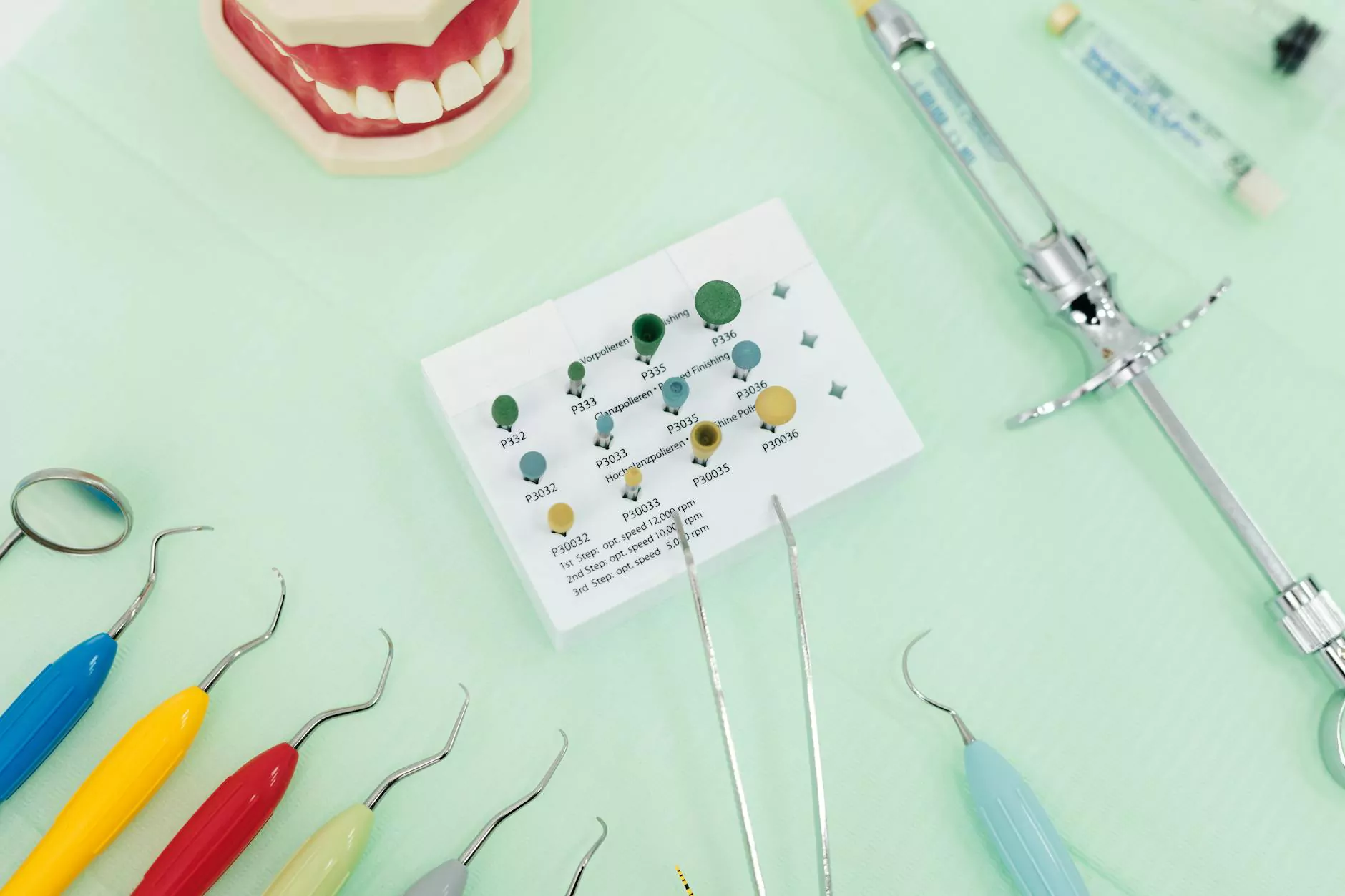
牙 周 治疗, translated as periodontal treatment, encompasses a range of dental care services focused on the gums and surrounding structures of the teeth. The health of your gums is crucial to overall dental well-being, making it essential to understand various aspects of periodontal care. This article provides a thorough overview of periodontal treatment, its importance, common procedures, and effective practices to maintain gum health.
The Importance of 牙 周 治疗
The significance of 牙 周 治疗 cannot be overstated. Healthy gums are fundamental to successful dental hygiene and overall health. The following points highlight why periodontal health matters:
- Prevent Tooth Loss: Periodontal diseases are a leading cause of tooth loss in adults. Proper treatment can prevent this.
- Reduced Risk of Systemic Diseases: Gum disease has been linked to systemic conditions such as diabetes, heart disease, and respiratory issues.
- Improves Aesthetic Appearance: Healthy gums contribute to a more attractive smile and boost self-confidence.
- Enhanced Oral Function: Good gum health facilitates proper chewing and speaking functions.
What is Periodontal Disease?
Before diving into 牙 周 治疗, it's important to understand what periodontal disease entails. Periodontal disease is an infection of the gums and bone supporting the teeth. It typically begins as gingivitis, which is characterized by inflammation of the gums, but can progress to more severe forms if left untreated. Key characteristics of periodontal disease include:
- Gingivitis: Early stage with symptoms like redness, swelling, and bleeding during brushing.
- Mild Periodontitis: Loss of attachment and bone recession begins, causing pockets to form between gums and teeth.
- Moderate Periodontitis: Increased depth of gum pockets and more pronounced bone loss.
- Severe Periodontitis: Extensive tissue and bone loss, significant mobility of teeth, and potential tooth loss.
Common Causes of Periodontal Disease
Understanding the causes of periodontitis is crucial in preventing it. The primary factors include:
- Poor Oral Hygiene: Insufficient brushing and flossing can lead to plaque buildup.
- Smoking and Tobacco Use: Tobacco use greatly increases the risk of gum disease.
- Genetic Predisposition: Family history can influence susceptibility to gum disease.
- Hormonal Changes: Events such as puberty, menstruation, pregnancy, and menopause can affect gum health.
- Chronic Conditions: Diseases like diabetes can make gums more vulnerable to infection.
- Nutritional Deficiencies: Lack of essential nutrients can affect gum health.
Signs and Symptoms of Periodontal Disease
Being aware of the signs of periodontal disease can assist in early detection and treatment. Common symptoms include:
- Swollen or inflamed gums: Gums may appear red, puffy, or tender.
- Bleeding gums: Particularly during brushing and flossing.
- Persistent bad breath: Known as halitosis, it may indicate gum diseases.
- Loose teeth: Teeth may feel loose or shift positions in the mouth.
- Pockets between teeth and gums: Deepening gum pockets signal worsening gum disease.
Types of 牙 周 治疗 Procedures
There are various treatment options available for periodontal disease.牙 周 治疗 includes both surgical and non-surgical interventions based on severity. Common procedures include:
Non-Surgical Treatments
Non-surgical options are typically the first line of defense in treating periodontal disease:
- Scaling and Root Planing: A deep cleaning procedure that removes plaque and tartar from below the gum line.
- Antibiotic Treatments: Antibiotic mouth rinses or local delivery of topical antibiotics to reduce bacteria.
- Oral Hygiene Education: Instruction on proper brushing and flossing techniques to maintain gum health.
Surgical Treatments
When non-surgical methods are insufficient, surgical interventions may be necessary:
- Flap Surgery: The gums are folded back to remove tartar and then stitched back to reduce pocket depth.
- Bone Grafting: Replacements for lost bone material to promote new bone growth and support teeth.
- Soft Tissue Grafts: Used to cover exposed roots and strengthen receding gums by grafting tissue from another site.
Post-Treatment Care and Maintenance
After undergoing 牙 周 治疗, it’s vital to maintain healthy oral hygiene practices:
- Regular Dental Checkups: Biannual visits to your dentist for monitoring.
- Daily Brushing and Flossing: Maintain a routine with fluoride toothpaste.
- Avoid Tobacco Products: To significantly reduce the risk of gum disease reoccurrence.
- Healthy Diet: Eat a balanced diet rich in vitamins and minerals that promote gum health.
- Stay Hydrated: Drink plenty of water to support oral health.
The Relationship Between 牙 周 治疗 and Overall Health
Emerging research indicates a strong correlation between periodontal health and overall health. Apart from preventing tooth loss, maintaining healthy gums can help mitigate risks of other serious health conditions such as:
- Heart Disease: Reduced inflammation may lead to a lower risk of cardiovascular diseases.
- Diabetes Complications: Proper gum health can assist in better management of diabetes.
- Pregnancy Complications: Healthy gums lead to lower risks of premature birth and low birth weight.
- Respiratory Diseases: Infections in the mouth can exacerbate respiratory conditions.
Conclusion
In conclusion, 牙 周 治疗 is an essential aspect of dental health that not only preserves your smile but also contributes significantly to your overall health. Awareness, early detection, and timely treatment play critical roles in managing periodontal disease. At Prosthodontics Centre, our dedicated team of experts is committed to providing the highest quality of care in general dentistry, cosmetic dentistry, and specialized dental treatments. Remember, investing in your gum health is investing in your life!
Contact Us
If you have concerns regarding your gum health or need to schedule a consultation, please visit Prosthodontics Centre for expert advice and treatment options. Your journey to healthier gums starts here!