Understanding the Importance of Air Hostess Studies for a Successful Career
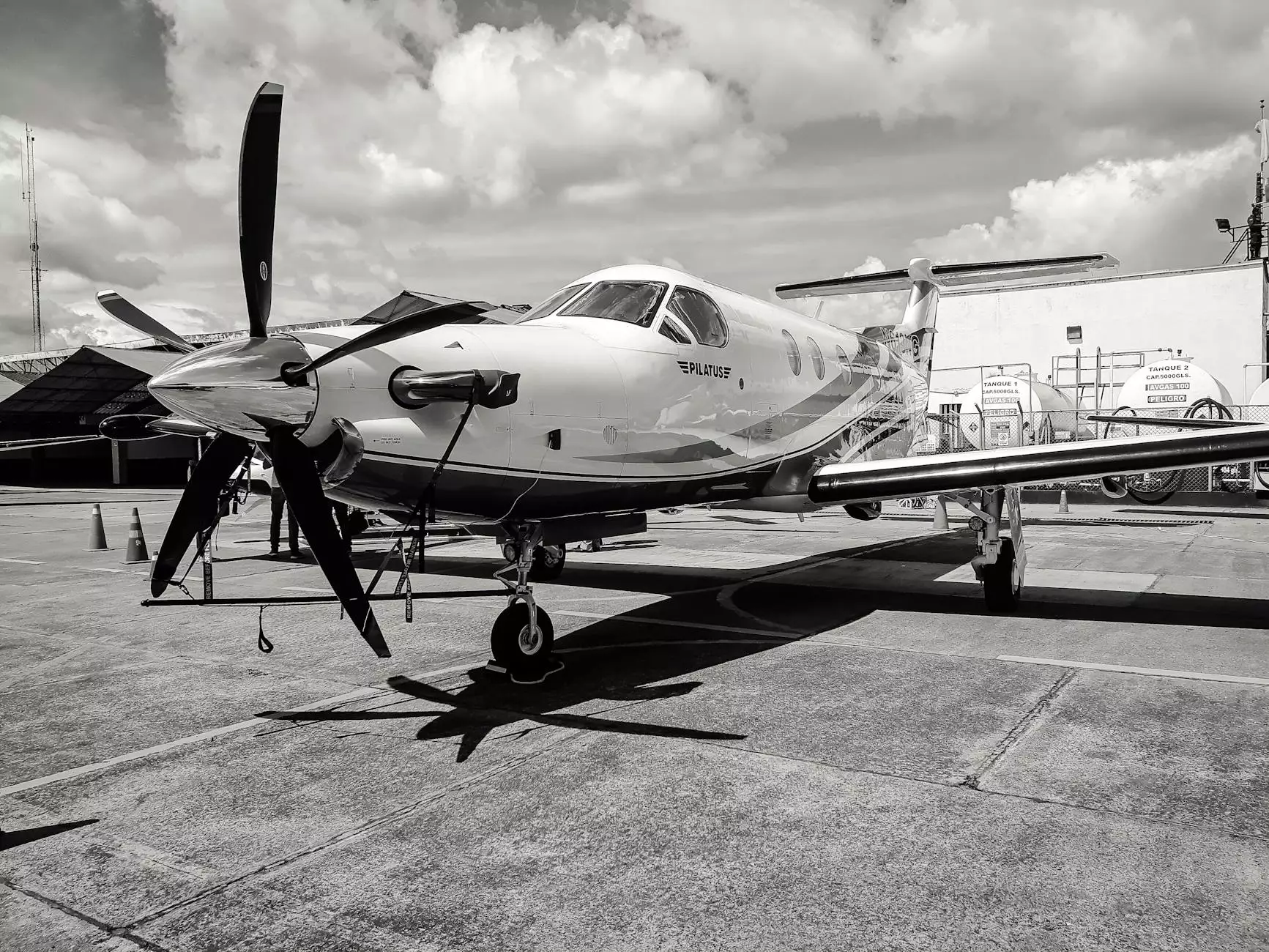
In today's dynamic world of aviation, the role of an air hostess, or cabin crew, is pivotal for the success of airlines. The study of an air hostess—or hotesse de lair etude in French—plays a crucial role in equipping individuals with the necessary skills to excel in this industry. This comprehensive article delves into the various aspects of air hostess training, highlighting its significance and what aspiring professionals need to know.
The Significance of Air Hostess Training
Air hostesses are the backbone of an airline's service operations. Their extensive training covers a multitude of responsibilities including safety procedures, customer service, and emergency management. This training not only prepares them for regular duties but also equips them with the skills to handle unexpected situations effectively. Here are some significant aspects of air hostess training:
- Flight Instruction: Intensive training programs focus on the theoretical and practical aspects of servicing on aircraft.
- Safety Protocols: Understanding and implementing safety measures is essential for all cabin crew, making this training vital.
- Customer Service Excellence: Coursework often includes modules on customer relations, communication, and hospitality skills.
Curriculum of Air Hostess Studies
The curriculum for hotesse de lair etude is designed to encompass a wide range of topics pertinent to effective cabin crew performance. Whether it’s through formal education or practical training, each segment plays a role in shaping a competent professional. Here are some core elements:
1. Theoretical Knowledge
The foundational subjects in air hostess studies often include:
- Aviation Regulations: Understanding the legalities and safety regulations pertaining to air travel.
- Emergency Procedures: Learning how to react and manage emergencies, from fire outbreaks to medical emergencies.
- Aircraft Familiarization: Gaining insights into different aircraft types and their specific features.
2. Practical Skills Development
Aside from theoretical knowledge, practical skills are also crucial.
- Mock Drills: Undertaking simulated emergency scenarios to practice responses.
- Service Techniques: Training on how to serve passengers efficiently and courteously.
- Cultural Sensitivity: Understanding and respecting diverse cultures and customer backgrounds.
The Role of Simulation in Training
Simulation training is a vital part of air hostess studies. This approach provides candidates with a realistic environment to practice their skills before facing actual passengers. Using full-scale aircraft simulators and mock-up cabins, training institutions help air hostesses hone their abilities in:
- Emergency Evacuations: Practicing evacuation procedures under various scenarios.
- Passenger Assistance: Learning how to effectively assist passengers, handle complaints, and ensure customer satisfaction.
- Communication in High Pressure Situations: Developing the ability to remain calm and convey information effectively during emergencies.
Career Opportunities with Air Hostess Training
Graduates of hotesse de lair etude enter a field with diverse career opportunities. International airlines value well-trained cabin crew members as they are essential to maintaining the brand's reputation. Here are some potential career paths:
- International Flight Attendant: Work for airlines that operate globally, serving international routes.
- Cabin Crew Trainer: Train future air hostesses, sharing your knowledge and experience.
- Ground Crew Operations: Engage in flight preparation and logistics at airports.
Benefits of Pursuing Air Hostess Studies
Embracing a career in aviation as an air hostess brings a multitude of benefits. Consider the following:
1. Global Opportunities
One of the most alluring advantages is the chance to travel the world. Air hostesses visit various countries, which allows them to immerse themselves in different cultures and lifestyles.
2. Professional Growth
With experience, air hostesses can advance to senior positions, such as cabin crew managers or even corporate roles within airline companies. Continuous professional development is integral in this fast-paced industry.
3. Developing Interpersonal Skills
The role requires exceptional communication skills, which can translate into other career paths. Working with a diverse group of passengers enhances adaptability and customer service skills.
The Future of Air Hostess Education
As the aviation industry evolves, so too does the training for air hostesses. Technological advancements and adapting to new regulations will shape future training programs. Online learning and virtual classrooms will also offer more flexible options for aspiring air hostesses, making the profession more accessible than ever.
Conclusion
In conclusion, the study of becoming an air hostess—hotesse de lair etude—is a comprehensive program that encompasses various aspects of airline operations. It not only equips candidates with the necessary technical skills but also enhances their interpersonal and emergency management capabilities. This training paves the way for a rewarding career filled with opportunities in the ever-expanding field of aviation.
For those looking to embark on this exciting journey, seeking a reputable academy such as cabincrew-academy.com will ensure you receive the best training and preparation for a successful and fulfilling career in the skies.