Understanding the Growing Need for Verified Documents
In today's fast-paced world, the need for identity verification has become more crucial than ever. The vast array of services and products available online requires strong authentication measures. However, with this necessity comes the darker side of the industry: the demand for drivers license fake documents. This article seeks to delve into the implications of such a market and the factors driving its growth.
The Landscape of Fake Document Sales
The market for fake documents has evolved significantly over the years as technology has advanced. The increase in online transactions, the rise of e-commerce, and the need for immediate identification verification have led to a surge in demand for fake documents, particularly driver's licenses. People seek these documents for various reasons, including:
- Illegal Activities: Some individuals seek fake licenses to engage in unlawful activities.
- Ease of Access: Others may require a fake identity for various transactions where they do not want to disclose their actual identity.
- Need for Identification: Individuals who find it difficult to obtain an actual license due to bureaucratic obstacles often resort to fake documents.
Types of Fake Documents Available
The market for fake documents is diverse and encompasses various types. This segment is not limited to driver's licenses alone but extends to:
- Passports: Fake or altered passports can be used for international travel or identification.
- ID Cards: Local or national identification cards are often replicated.
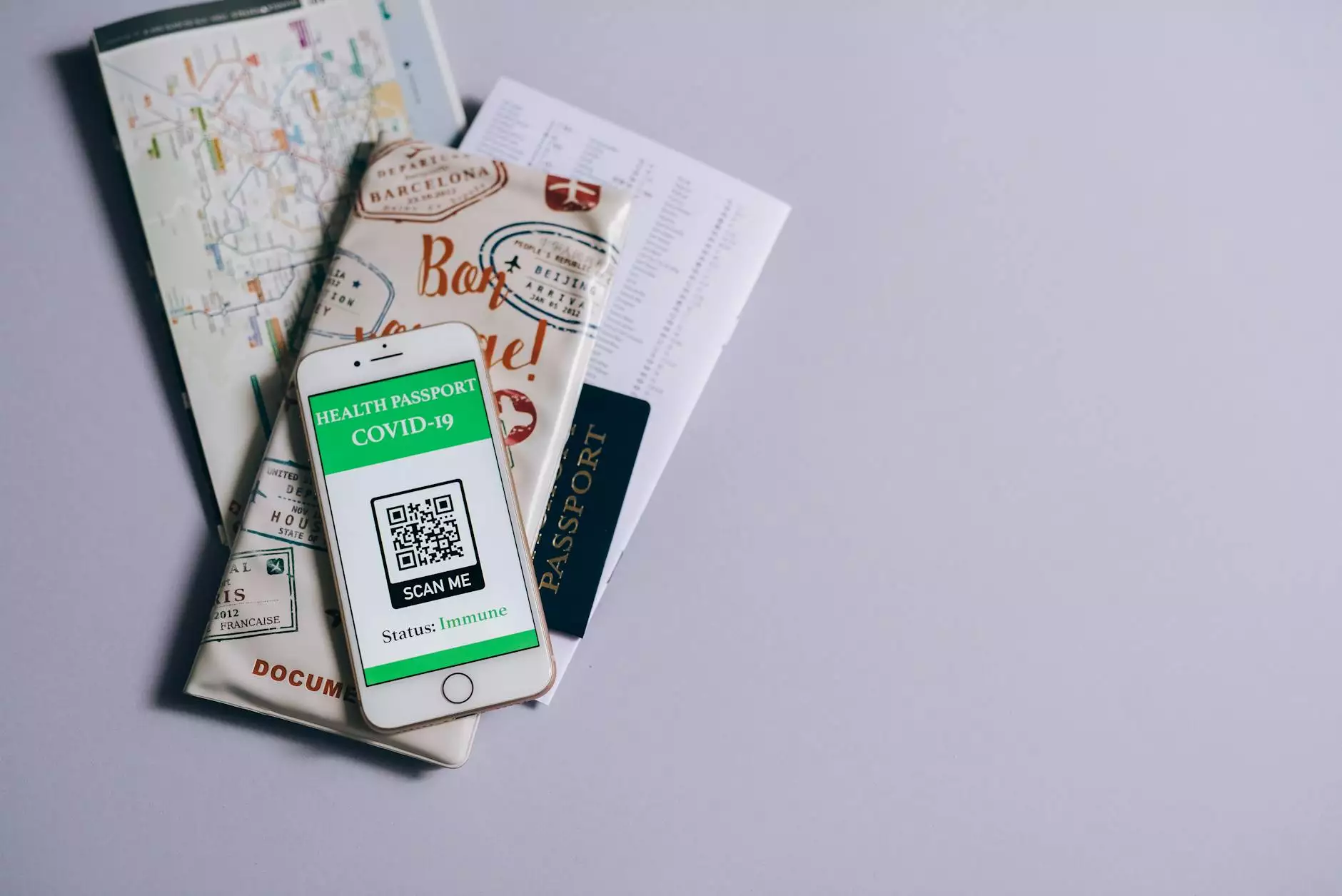
- Health Certificates: These documents are required for various transactions and services.
Risks Involved with Fake Documents
While the allure of obtaining a drivers license fake may seem tempting, the associated risks cannot be overlooked. Engaging in the purchase or use of fake documents can lead to severe legal consequences:
- Legal Consequences: Using fake documents is illegal and can lead to arrest and prosecution.
- Financial Risks: Individuals may lose money to fraudulent sellers, never receiving the promised documents.
- Reputation Damage: Being caught using a fake document can tarnish one’s personal and professional reputation.
Why People Opt for Fake Documents?
Understanding the motivations behind why individuals seek out fake documents can provide insight into the market dynamics. Some common reasons include:
- Desperation: Individuals in urgent need may feel compelled to act quickly, leading them to illegal options.
- Perceived Anonymity: The belief that they can avoid scrutiny or background checks is enticing for some.
- Influence: Peer pressure or the normalization of such behavior in certain circles can lead to participation in the fake document market.
The Technology Behind Fake Documents
As technology continues to advance, so too do the methods for creating fake documents. This includes high-quality printing techniques, sophisticated graphic design software, and even lasers for certain elements. Here are a few technologies that play a role:
- Digital Printing: High-resolution printers that can replicate the details found in genuine documents.
- Graphic Design Software: Tools such as Adobe Photoshop and CorelDRAW allow fraudsters to create convincing fake licenses.
- Holographic Materials: The use of holograms gives documents an authentic look, making them harder to detect as fakes.
Legal Framework and Enforcement
Governments worldwide are aware of the issues stemming from the existence of fake documents, particularly driving licenses. Most countries have instituted rigorous laws and penalties to deter the creation, distribution, and use of fake documents. Some common enforcement measures include:
- Increased Surveillance: Authorities continuously monitor markets and online platforms to identify sellers.
- Collaboration with Tech Companies: Law enforcement agencies work with tech firms to trace and shut down fraudulent websites.
- Public Awareness Campaigns: Educating the public on the risks and legal ramifications of using fake documents.
The Ethical Dilemma Surrounding Fake Documents
The existence of the fake document market poses an ethical dilemma. While some argue that individuals should have the right to create their own identities, it’s essential to consider the implications on society, security, and trust. Here are key points to consider:
- Public Safety: Fake documents can lead to identity theft and fraud, putting a strain on public services and systems.
- Loss of Trust: The use of fake identities erodes the trust essential for systems like banking, healthcare, and law enforcement.
- Legal Integrity: Maintaining legal frameworks that protect citizens from fraud and abuse is crucial.
Alternatives to Fake Documents
For individuals in need of identification, several legitimate options exist that can help avoid the pitfalls associated with fake documents:
- Contact Local Authorities: Reach out to local DMV or government offices to clarify the process for obtaining a valid driver’s license.
- Consult Legal Advice: If facing legal issues surrounding identification, consulting with a legal professional can help provide guidance.
- Use of Temporary Licenses: Many states offer temporary licenses or permits for individuals awaiting their official documents.
Final Thoughts: Navigating the Document Landscape
In the end, the business surrounding drivers license fake documents illustrates a complicated intersection of necessity, legality, and ethicality. While individuals may seek fake documents for various reasons, it’s paramount to navigate this landscape with caution. The risks far outweigh the benefits, and, ultimately, the pursuit of valid identification is always the best path forward.
For those exploring options in document verification, it is wise to consider services that specialize in genuine documents. At registereddocumentseu.com, we focus on providing comprehensive solutions to meet the needs of your documentation while adhering to legal and ethical standards.