The Essential Role of Manifold Valve Function in Modern Fluid Systems
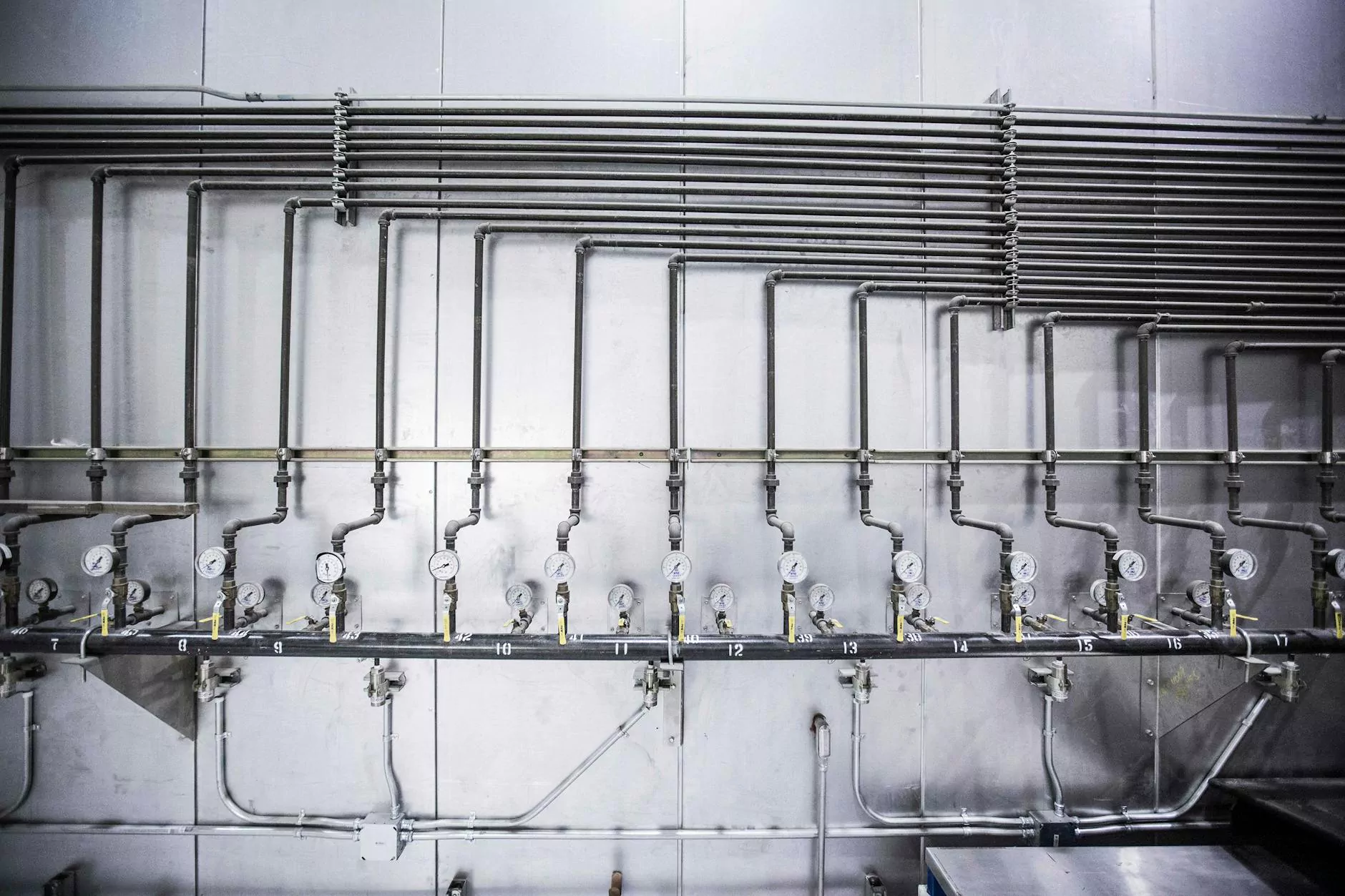
In today's interconnected industrial landscape, the functionality of every component matters significantly. Among these, the manifold valve stands out due to its integral role in providing efficiency and safety in fluid handling systems. This article explores the numerous benefits of the manifold valve function, delving deep into its applications, types, and operational mechanisms that ensure seamless fluid management in various sectors, including manufacturing, oil and gas, and chemical processing.
Understanding the Basics of Manifold Valve Function
A manifold valve is a critical device used in hydraulic and pneumatic systems to control the flow of fluids. It serves as a central connection point, allowing multiple hydraulic circuits to be integrated into a single, compact assembly. The primary functionality of the manifold valve is to enable or restrict the flow of liquids or gases, thereby enhancing the efficiency and safety of fluid systems.
Key Characteristics of Manifold Valves
- Centralized Control: Manifold valves provide a single point of control for multiple pathways, minimizing complexity and improving system organization.
- Compact Design: Utilizing a manifold valve reduces the need for extensive piping, offering a space-saving solution.
- Enhanced Safety: By centralizing valve control, the risk of leaks and malfunctions is significantly reduced.
- Improved Maintenance: Easier access to control points simplifies maintenance routines and reduces downtime.
The Comprehensive Role of Manifold Valves in Fluid Systems
The manifold valve function is pivotal in various applications. Below, we outline the various sectors where these valves manifest their importance:
1. Oil and Gas Industry
In the oil and gas industry, manifold valves are fundamental in controlling the flow of hydrocarbons. They are crucial for:
- Pressure Regulation: Maintaining optimal pressure levels in pipelines is critical to operational safety.
- Flow Management: Automatically regulating the flow of oil and gas during extraction and transportation.
- Safety Systems: Emergency shutdown systems rely heavily on the effective functionality of manifold valves to prevent catastrophic failures.
2. Manufacturing Processes
In manufacturing where precision and reliability are paramount, manifold valves are used extensively for:
- Fluid Distribution: Efficiently directing hydraulic flow to various machinery and assembly lines.
- Automated Control Systems: Integrating with sensors and control logic for precise fluid management.
3. Chemical Processing
For chemical processing plants, the design and implementation of manifold valves are critical for:
- Corrosion Resistance: Advanced materials ensure the longevity and reliability of fluid handling.
- Custom Configuration: Tailoring manifold designs to meet specific chemical handling requirements.
Types of Manifold Valves and Their Functions
Understanding the different types of manifold valves is essential for proper application. Here’s a closer look:
1. Hydraulic Manifold Valves
These valves are designed specifically for hydraulic applications, offering variable flow regulation and pressure control for hydraulic machinery.
2. Pneumatic Manifold Valves
Pneumatic manifolds are used for controlling air flow in various pneumatic devices, ensuring efficient operation of tools and machinery reliant on compressed air.
3. Fluid-Specific Manifolds
Some manifolds are engineered for specific fluids, such as corrosive chemicals or viscous materials, utilizing specialized materials to withstand chemical damage.
Advantages of Using Manifold Valves
Incorporating manifold valves enhances system performance in numerous ways:
Efficiency Enhancement
Streamlined fluid pathways minimize the energy required for fluid transport, leading to overall energy savings. The manifold valve function supports improved efficiency through reduced pressure drops.
Space-Saving Design
By consolidating multiple valve functions into a single entity, manifold valves optimize space usage in machinery layouts, crucial for modern compact designs.
Reduced Maintenance Costs
Manifold valves often result in fewer components needing maintenance, significantly lowering operational costs associated with repairs and service intervals.
Installation and Maintenance of Manifold Valves
Proper installation and routine maintenance are fundamental to maximizing the lifespan of manifold valves. Here are some best practices:
Installation Best Practices
- Ensure Proper Alignment: Misalignment can lead to leaks and malfunctions.
- Use Quality Seals: Quality gaskets and O-rings should be installed to prevent leaks.
- Follow Manufacturer Guidelines: Each manifold valve design will have specific installation instructions that must be adhered to for optimal performance.
Regular Maintenance Suggestions
- Routine Inspections: Conduct regular checks for wear, leaks, and corrosion.
- Fluid Quality Monitoring: Ensure the fluids being handled do not compromise valve integrity.
- Replacement of Worn Parts: Identify and replace parts before they fail to maintain operational integrity.
Conclusion: The Indispensable Manifold Valve Function
In conclusion, the manifold valve function is a cornerstone of modern fluid systems, critical for enhancing operational efficiency, safety, and reliability across various applications. Whether in the oil and gas sector, manufacturing, or chemical processing, understanding and utilizing manifold valves can lead to significant improvements in performance and reduced costs. As technology advances, the design and functionality of these valves will continue to evolve, paving the way for even greater innovations in fluid management.
Investing in high-quality manifold valves and understanding their functions is essential for businesses looking to optimize their operations and ensure safety and reliability in their fluid systems. Visit Techtubes.in for premium tube fittings, forged pipe fittings, flange products, and manifold valves to enhance your system's performance.