The Ultimate Guide to US Counterfeit Currency
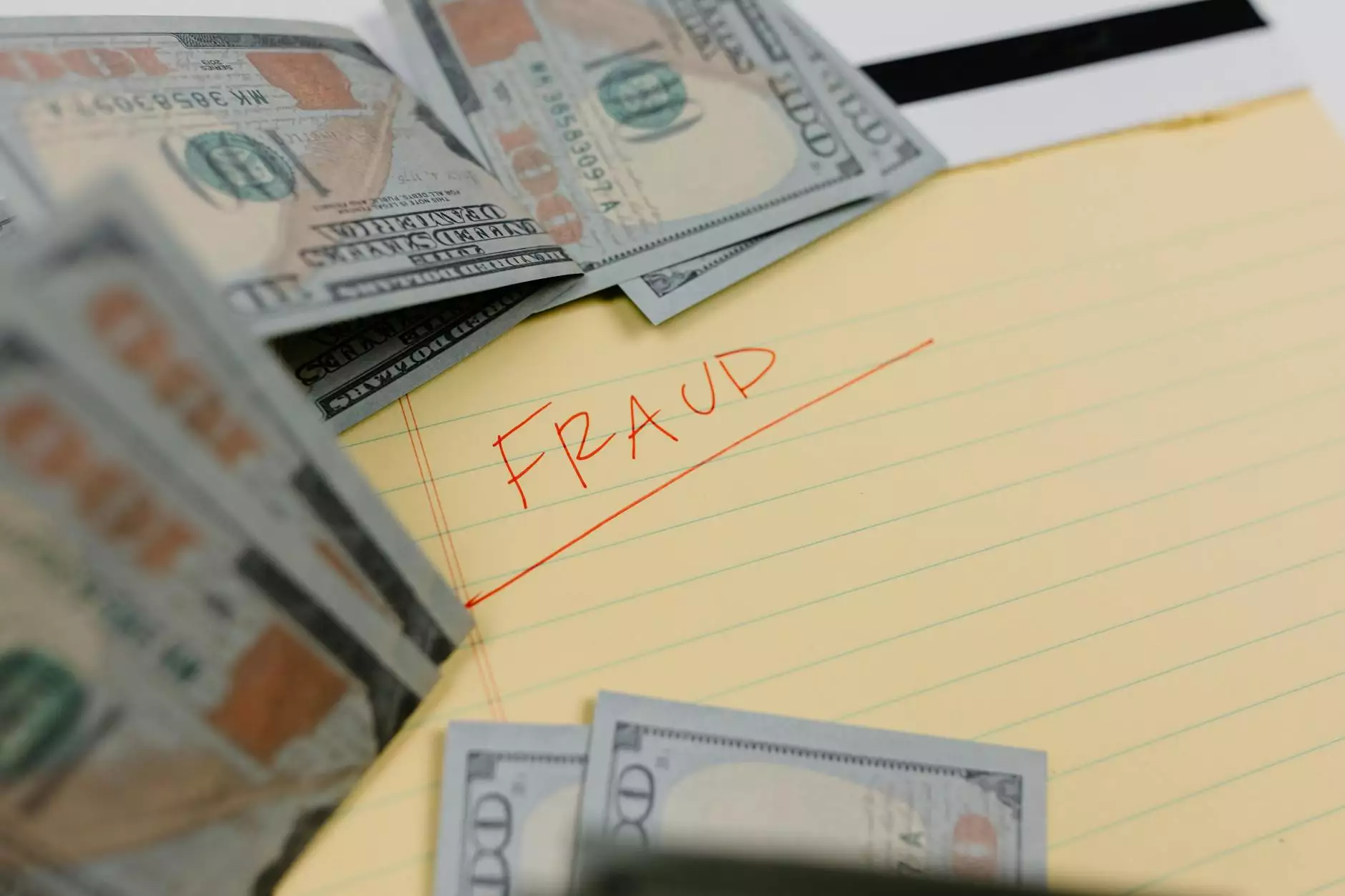
US counterfeit currency is a critical topic that impacts both individuals and businesses. Understanding the intricacies of counterfeit money, how to spot it, and the broader implications for the economy is essential for everyone. This comprehensive guide aims to equip you with profound insights and practical knowledge about counterfeit currency and associated categories like fake documents and fake currencies.
What is US Counterfeit Currency?
At its core, US counterfeit currency refers to fake money produced with the intent to deceive and defraud. Counterfeiting is a federal crime in the United States, and it can have devastating effects on both businesses and the economy at large. Counterfeiters often replicate legitimate currency using advanced printing techniques and materials, making it increasingly difficult for the average person to detect.
The Methods of Counterfeiting
Counterfeiters employ a range of sophisticated techniques to produce fake currency. Understanding these methods is crucial in recognizing counterfeit notes. Here are some of the most common techniques:
- Digital Printing: Many counterfeiters now use high-quality digital printers that can reproduce the intricate details of real currency.
- Paper and Ink: Real currency is printed on unique paper that has a distinct feel and includes security features like watermarks and security threads.
- Color Changes: Genuine US currency has color-changing ink in certain areas that counterfeiters may struggle to replicate accurately.
- Microprinting: Many denominations feature tiny microprinting, which is often overlooked by counterfeiters.
Identifying Counterfeit Currency
Identifying US counterfeit currency is essential to protect yourself and your business. Here are some effective techniques to help you recognize counterfeit bills:
1. Use the Feel Test
Genuine currency feels different due to the unique paper composition. Accept the bill, and run your fingers across its surface. Real currency has a slightly rough texture, while counterfeit notes often feel smooth.
2. The Look Test
Examine the bill closely for abnormalities. Check for the following features:
- Color Shifting Ink: On denominations of $20 and higher, tilt the bill to see if the ink in the lower right corner shifts from green to black.
- Watermark: Hold the bill up to the light to check for a watermark that matches the portrait on the bill.
- Security Thread: Real currency has a security thread embedded in the bill that reflects in the light.
3. Light Test
Using a light source helps verify the authenticity of the currency. Genuine bills will reveal embedded features only visible under ultraviolet light.
4. The Magnifying Glass Test
Using a magnifying glass can help you see the fine details printed on authentic currency, which are often missed on counterfeit bills.
The Economic Impact of Counterfeiting
The impact of US counterfeit currency extends beyond the individual cases of fraud; it can destabilize the economy. When counterfeit money enters circulation, it contributes to inflation and devalues real currency. Businesses lose revenue when they unknowingly accept fake money, leading to increased prices for consumers. Here are some statistics highlighting the economic repercussions:
- Counterfeit currency costs the US economy billions of dollars each year.
- In 2020 alone, the Secret Service seized approximately $90 million in counterfeit currency.
- Small businesses are often the most affected, with an estimated 30% experiencing losses due to counterfeit bills.
How to Protect Your Business from Counterfeit Currency
As a business owner, it is imperative to take proactive measures to protect your establishment from US counterfeit currency. Here are several effective strategies:
Investing in Counterfeit Detection Tools
Utilizing counterfeit detection tools can significantly minimize the risk of accepting fake money. Here are some options:
- UV Detection Pens: These pens can help identify security threads that counterfeiters cannot replicate.
- Bill Validators: Automated bill validators quickly verify the authenticity of bills with high accuracy.
Staff Training
Train your employees to recognize counterfeit notes by implementing robust training programs. Regular workshops can keep staff informed about emerging counterfeiting techniques.
Implementing Clear Policies
Establish clear policies for accepting cash payments and ensure that all staff are aware of these guidelines. Encourage staff to follow a set procedure when faced with suspicious currency.
The Intersection of Counterfeit Currency and Fake Documents
Many individuals involved in counterfeiting may also engage in producing fake documents. These can range from identification cards to various licenses, further complicating the issue of fraud. Understanding this connection can help in combatting fraud effectively.
The Link Between Counterfeit Currency and Fake Documents
Fake documents often facilitate the spreading of counterfeit currency. For instance, counterfeiters may use fake IDs to establish trust or provide false identities when conducting illicit transactions. Businesses must stay vigilant by verifying the authenticity of customer identification.
Legislative Measures Against Counterfeiting
The US government has implemented strict laws regarding counterfeiting, with severe penalties for those caught producing or distributing counterfeit currency. The secret service, which was originally established to combat counterfeiting, continues to play a pivotal role in enforcing these laws. Increased collaboration between federal and local authorities aims to diminish the prevalence of counterfeit currency and strengthen public trust in the financial system.
Future Trends in Counterfeiting
As technology advances, so do the methods employed by counterfeiters. Staying ahead of these trends is crucial for both individuals and businesses. Here are a few future trends to watch for:
- Advanced Printing Technology: Counterfeiters may increasingly utilize 3D printing and other cutting-edge technologies to improve the quality of fake notes.
- Digital Currency and Cryptocurrency: As digital currencies gain popularity, the legal framework and methods of detecting fraud will need to adapt accordingly.
- Use of Blockchain: The integration of blockchain technology may offer new ways to verify currency and documents, reducing the risk of counterfeiting.
Conclusion
Understanding US counterfeit currency is crucial in today’s economic landscape. By recognizing identifying features, knowing the impact on the economy, and implementing protective measures, individuals and businesses can better safeguard themselves against fraudulent activities. As counterfeit tactics continue to evolve, it’s important to remain informed and vigilant. Overall, this guide serves as a comprehensive resource to navigate the complexities of counterfeit money, and equip you with the knowledge to protect your financial interests.
Resources for Further Reading
If you're interested in learning more about counterfeit currency and how to protect yourself and your business, consider the following resources:
- U.S. Secret Service: Counterfeiting
- Federal Reserve: Counterfeit Currency Information
- Bureau of Engraving and Printing: Currency and Counterfeiting